
Gut health has become one of the most talked-about areas of wellness, and with good reason. The digestive system does far more than break down lunch. It is home to trillions of bacteria, fungi and other microbes, collectively called the gut microbiome, and researchers are finding that this community interacts with digestion, the immune system and even mood and energy.
The challenge is that the topic is also full of hype: cleanses, miracle powders and expensive supplements. The good news is that the best-supported ways to look after your gut are simple, affordable and mostly come from your kitchen. This guide explains how fiber, fermented foods and everyday habits work together, how to add them without an upset stomach, and who should take extra care.
Key takeaways
- Fiber from a wide variety of plant foods is the most reliable way to feed healthy gut bacteria
- Fermented foods such as yogurt, kefir, kimchi and sauerkraut may increase microbial diversity, but only products with live cultures count
- Add new foods gradually: a spoonful a day is plenty to start, and some gas at first is normal
- Sleep, stress, movement and water all influence digestion as much as any single food
- Probiotic supplements are not necessary for most healthy people, and the right strain matters
- Blood in the stool, unexplained weight loss or persistent changes in bowel habits need a doctor, not a diet tweak
What Your Gut Microbiome Actually Does
Most of your gut microbes live in the large intestine, where they feed on the parts of food that your own digestive enzymes cannot break down, mainly fiber and certain starches. As they ferment this material, they produce useful by-products, including short-chain fatty acids such as butyrate. Butyrate is a main energy source for the cells lining the colon and appears to help maintain the gut barrier.
The microbiome also trains and communicates with the immune system, since a large share of immune tissue sits along the gut wall, and it helps make some vitamins. Researchers are studying links between the microbiome and conditions ranging from irritable bowel syndrome to metabolic health, but much of this work is early. A fair summary is that a varied, plant-rich diet tends to go with a more diverse microbiome, and diversity is generally considered a good sign. Nobody can yet prescribe an exact ideal mix of microbes.
Prebiotics, Probiotics and Fermented Foods: Sorting Out the Words
These three terms are often used as if they mean the same thing. They do not, and knowing the difference helps you read labels and ignore marketing.
| Term | What it means | Everyday examples |
|---|---|---|
| Prebiotics | Fibers and starches that feed beneficial microbes already in your gut | Oats, onions, garlic, leeks, bananas, beans, lentils, asparagus |
| Probiotics | Specific live microorganisms that, in adequate amounts, may offer a health benefit | Supplements and some yogurts or kefirs that name the strains |
| Fermented foods | Foods made with microbes that change the food. They may or may not still contain live cultures | Yogurt, kefir, kimchi, sauerkraut, miso, tempeh, some pickles |
Fiber First: The Fuel Your Gut Bacteria Prefer
If you only change one thing, change your fiber intake. Typical adult recommendations are around 25 grams a day for women and 38 grams for men, or roughly 14 grams per 1,000 calories, yet most adults eat considerably less. Fiber feeds gut microbes, adds bulk to stool and helps keep bowel movements regular. Our guide to fiber, the everyday nutrient most of us miss covers the details, and the fiber intake calculator gives you a personal daily target.
Variety matters as much as quantity. An analysis of more than 1,500 people in the American Gut Project found that those who ate 30 or more different plant foods a week had more diverse gut microbes than those who ate 10 or fewer. Counting plants sounds daunting, but vegetables, fruit, whole grains, beans, lentils, nuts, seeds, herbs and spices all count, so a handful of mixed seeds or a spice blend adds several at once.
- Swap one refined grain a day for a whole grain, such as brown rice, oats or whole-wheat bread
- Add a half cup of beans or lentils to a soup, salad or pasta sauce
- Keep the skin on fruit and vegetables where it is edible
- Snack on nuts, seeds, berries or raw vegetables instead of refined snacks
- Choose a different vegetable at each dinner for a week, rather than the same two on repeat
Fermented Foods: What the Research Shows
Fermented foods are among the oldest foods in the world, and interest in them has grown quickly. In a small 2021 study from Stanford researchers, published in the journal Cell, 36 healthy adults followed either a high-fermented-food diet or a high-fiber diet for 10 weeks. In the fermented-food group, gut microbial diversity increased and a set of inflammation markers fell, while the high-fiber group did not show the same short-term change.
This is encouraging, but it is one small, short study, so it is a reason for optimism rather than proof. It also does not mean fermented foods replace fiber. The two work best together: fiber feeds the microbes you have, and fermented foods may add new ones. Because the benefits depend on live microbes, read labels. Look for phrases such as live and active cultures, and choose refrigerated sauerkraut and kimchi, which are usually unpasteurized. Shelf-stable versions are often heat-treated, which kills the cultures, and bread, beer and wine are not good sources even though fermentation is part of how they are made.
Myth: You need a gut cleanse or detox to reset your digestion.
Fact: Your liver, kidneys and gut already clear waste continuously. There is no good evidence that cleanses or detox teas improve gut health, and some, especially laxative-based ones, can cause cramps, dehydration and electrolyte problems. Fiber, fluids and regular movement do the job more safely.
How to Add Fermented Foods Without Upsetting Your Stomach
A sudden jump in fiber or fermented foods can bring gas, bloating and loose stools while your gut adjusts. A gradual approach avoids most of it.
- Start with a familiar food, such as plain yogurt or kefir with live cultures, and have a few spoonfuls a day
- Add a tablespoon of sauerkraut or kimchi to a meal as a condiment, not a side dish
- Increase slowly over two to three weeks, and keep a note of how you feel
- Drink water with the extra fiber so it moves comfortably through the gut
- Rotate between different ferments, such as miso in soup, tempeh in a stir-fry or kefir in a smoothie, for more variety
- If a food consistently causes discomfort, reduce the portion or pause it rather than pushing through
Habits Beyond Food That Help Your Gut
The gut is closely connected to the brain through nerves and hormones, which is why nerves can give you butterflies and why stress can change your digestion. Food is only part of the picture, and the habits below consistently show up in the research.
- Sleep: poor or irregular sleep is linked to changes in gut microbes and appetite. See our guide to sleeping better
- Stress: short daily breaks to breathe or walk can calm digestion. Try the five-minute stress reset
- Movement: regular exercise, even brisk walking, supports regular bowel movements and is associated with a more diverse microbiome
- Water: fluid helps fiber work properly. Read how much you actually need in our hydration guide
- Eating pace: slower meals and thorough chewing can reduce bloating and gulped air
- Antibiotics: take them only when prescribed and finish them as directed, since they affect gut microbes as well as the infection they target
A Gut-Friendly Day on a Plate
Here is one way to put these ideas together. Treat it as a template to adapt to your tastes, budget and any dietary restrictions, not a rigid plan.
| Meal | Idea | Why it helps |
|---|---|---|
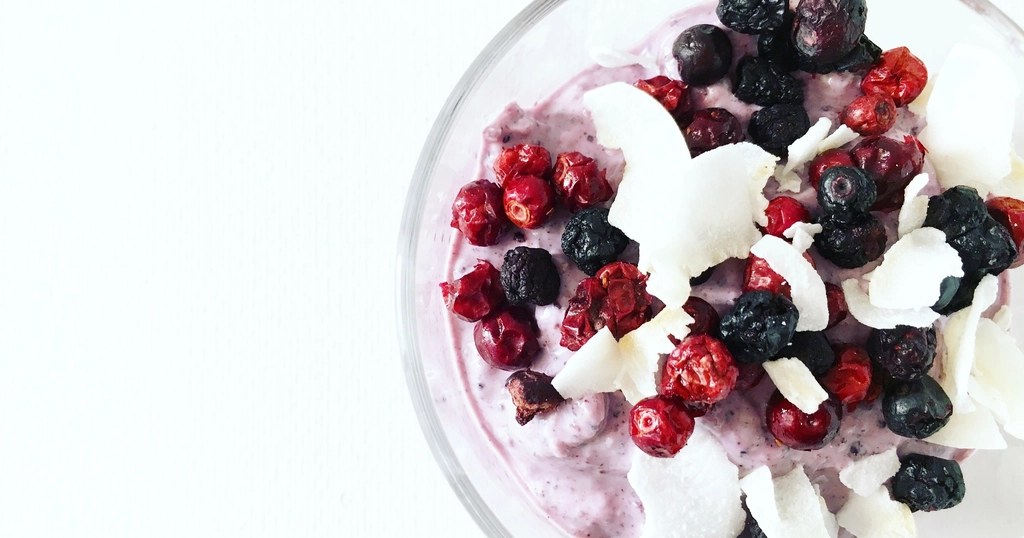
| Breakfast | Plain yogurt or kefir with oats, berries and chia seeds | Live cultures plus several types of fiber |
| Lunch | Lentil and vegetable soup with whole-grain bread | Legumes are among the richest fiber sources |
| Snack | An apple with almonds, or carrots with hummus | Fiber, crunch and healthy fats |
| Dinner | Stir-fried vegetables with tempeh or tofu, brown rice and a spoonful of kimchi | A wide range of plants plus a small ferment |
| Anytime | Water, or unsweetened herbal tea | Supports comfortable digestion |
Do You Need a Probiotic Supplement?
For most healthy people, no. Evidence for probiotic supplements is specific to the strain and the condition. Some products have shown benefit for particular situations, such as preventing antibiotic-associated diarrhea in some groups, but results do not carry over from one strain to another. Professional guidelines generally do not recommend probiotics for routine use in healthy people. Supplements are also less tightly regulated than medicines, so quality and the actual contents can vary.
If you are curious, a food-first approach gives you live cultures plus fiber, protein and other nutrients for less money. If you want to try a supplement for a specific issue, ask a pharmacist or doctor which strain has evidence for it, and give it a defined trial rather than taking it indefinitely.
Who Should Be Careful With Fermented Foods and Probiotics
Fermented foods are safe for most people, but a few groups should check first. People with weakened immune systems, those with a central line or who are seriously ill, and premature infants have had rare serious infections linked to probiotic products, so they should ask their doctor before using them. People who react to histamine may find that aged and fermented foods trigger headaches or flushing. Many ferments are salty, which matters if you are watching your blood pressure, and kombucha and sweetened yogurts can contain a lot of added sugar. People with irritable bowel syndrome sometimes find that certain high-fiber and fermented foods make symptoms worse, so a dietitian can help tailor the approach.
When to talk to a doctor
- Blood in your stool, black or tarry stools, or bleeding from the rectum
- Unexplained weight loss, a persistent loss of appetite or constant fatigue
- Diarrhea that lasts more than a few days, or constipation that does not respond to fiber and fluids
- Severe or worsening abdominal pain, repeated vomiting or difficulty swallowing
- A new, lasting change in your bowel habits, especially if you are over 45 to 50
- A family history of bowel cancer or inflammatory bowel disease and new symptoms
Frequently asked questions
How long does it take to improve gut health?
Some changes can be quick: gut microbes can shift within days of a major change in diet. Feeling better usually takes a few weeks of steady habits, and bowel regularity often improves within one to two weeks of eating more fiber and fluids. Treat it as a long-term routine, not a short course.
Is yogurt enough, or do I need kimchi and kefir too?
Yogurt with live cultures is a perfectly good start. Variety is a bonus, because different ferments contain different microbes, but there is no need to buy exotic products. Consistency matters more than novelty.
Why do I get gas and bloating when I eat more fiber?
Gut microbes produce gas as they ferment fiber, and your gut needs time to adapt. Increase fiber by a few grams every few days, drink water and keep going. If bloating is severe or lasts for weeks, talk to your doctor or a dietitian.
Is kombucha good for gut health?
Kombucha contains live cultures, but research on it in people is limited, and many bottled versions contain added sugar. It can be an occasional drink rather than a gut-health strategy, and it is not a substitute for fiber.
Can stress really affect digestion?
Yes. The gut and brain communicate constantly, and stress can speed up or slow down digestion and make symptoms such as cramping or bloating feel stronger. Regular movement, sleep and short breathing breaks can help.
Looking after your gut does not require a special product or a strict plan. Build your plate around a wide range of plants, add a little fermented food if you enjoy it, drink enough water, move your body and protect your sleep. Make one change this week, such as adding a serving of beans or a spoonful of live-culture yogurt each day, and build from there. Pair it with a daily walk, using our guide to walking for health, for benefits that reach well beyond digestion.
Sources and further reading
- Harvard T.H. Chan School of Public Health: The Microbiome
- NIH National Center for Complementary and Integrative Health: Probiotics, Usefulness and Safety
- Wastyk et al., Cell (2021): Gut-microbiota-targeted diets modulate human immune status
- McDonald et al., mSystems (2018): American Gut, an open platform for citizen science microbiome research
- NIDDK: Eating, diet and nutrition for constipation
More wellness guides



This guide is for general information only and is not medical advice. Talk to a qualified healthcare professional about your own situation before making changes to your health routine.
Is there a topic you would like us to cover? Suggest an article.