
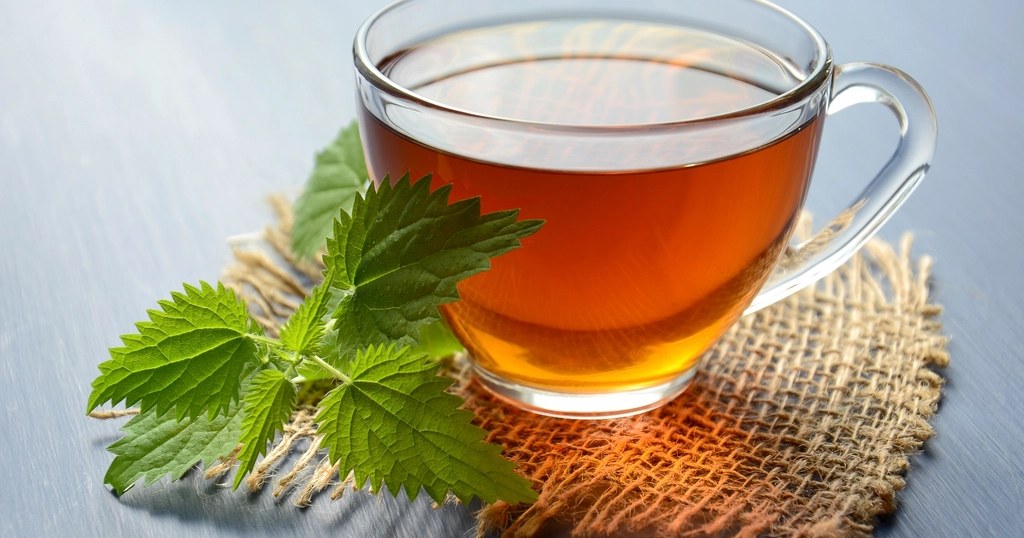
Few natural habits are as comforting as a warm cup of herbal tea. Ginger when your stomach is unsettled, peppermint after a heavy meal, chamomile in the evening: people have reached for these plants for centuries, and tea shelves today are crowded with blends promising everything from calm to detox.
So what do herbal teas actually do? The honest answer is that some have modest, reasonably supported benefits, many have limited evidence, and a few carry real cautions. This guide separates the well-studied from the over-hyped, shows you how to brew a good cup, and explains who should check with a healthcare professional first.
Key takeaways
- Herbal teas are not regulated like medicines, and most produce gentle effects at best
- Ginger has the best evidence for easing nausea, peppermint for digestive comfort and chamomile for relaxation, but results are modest
- A caffeine-free tea before bed is a useful wind-down ritual, even where the plant itself does little
- Herbs can interact with medicines and may not suit pregnancy, so ask before using them regularly
- Avoid detox, slimming and laxative-style teas, and let very hot tea cool before drinking
- Plain herbal tea counts toward your daily fluids and is a great swap for sugary drinks
What Counts as Herbal Tea?
True tea, such as black, green, white and oolong, comes from the leaves of one plant, Camellia sinensis, and naturally contains caffeine. Herbal teas, sometimes called tisanes, are infusions of other plant parts, including leaves, flowers, roots, seeds and fruit. Most, such as ginger, peppermint, chamomile, hibiscus and rooibos, contain no caffeine, although a few blends such as yerba mate and guayusa do.
That difference matters in two ways. Herbal teas are an easy way to drink something warm and flavorful in the evening without caffeine, and they are made of plants with active compounds that can sometimes affect the body or interact with medicines. Natural does not automatically mean harmless, which is why this guide includes cautions alongside benefits.
Ginger Tea: The Best-Supported Remedy for Nausea
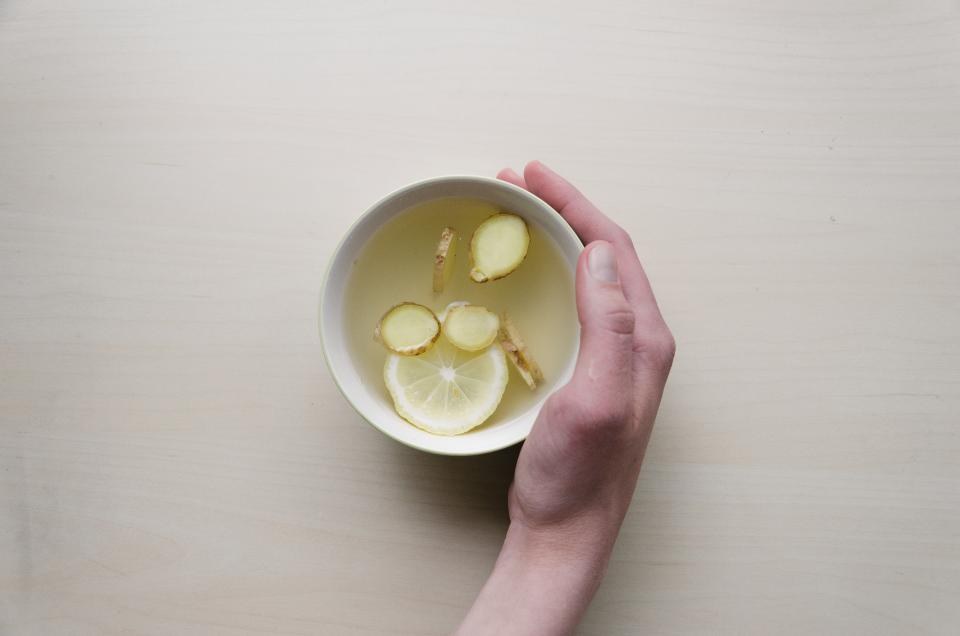
Ginger is one of the most studied culinary herbs. Research suggests that ginger can help with some types of nausea, including nausea in early pregnancy and after some medical treatments, although the size of the benefit varies between studies. It is also commonly used for travel queasiness and an unsettled stomach, with more mixed evidence.
To make it, slice or grate about a thumb-sized piece of fresh ginger, simmer it in a cup or two of water for 10 minutes, then strain. Add lemon or a little honey if you like. Ginger can cause mild heartburn or stomach upset in large amounts, and it may increase bleeding risk at high doses, so people taking blood thinners should ask their doctor first. During pregnancy, most guidance considers ordinary culinary amounts acceptable, but speak with your midwife or doctor about anything beyond that.
Peppermint Tea: A Soothing Cup After Meals
Peppermint contains menthol, which relaxes smooth muscle in the digestive tract. The strongest evidence is for enteric-coated peppermint oil capsules in irritable bowel syndrome, where several trials show some improvement in abdominal pain and bloating. Peppermint tea is much milder, and there is less direct research on it, but many people find it comforting after a meal.
There is one important catch. Peppermint can relax the muscle at the bottom of the esophagus, which can make heartburn and reflux worse in people who are prone to them. If a cup of peppermint tea leaves you with a burning feeling in your chest, switch to ginger or chamomile instead. Peppermint oil should also not be given to young children, particularly near the face.
Chamomile Tea: Gentle Evening Calm
Chamomile is probably the best-known bedtime tea. Small studies suggest that chamomile extracts may modestly reduce symptoms of anxiety and may help sleep quality, but the research is limited, and the doses in studies are often higher than what is in a single tea bag. Treat chamomile as a pleasant part of your routine, not a treatment for insomnia or anxiety disorders.
The ritual itself may be the most powerful ingredient. Brewing a cup, sitting down without a screen and sipping slowly signals your brain that the day is ending, which fits neatly with the habits in our guide to sleeping better. People who are allergic to plants in the daisy family, including ragweed, may react to chamomile, so skip it if you have had symptoms before.
Other Teas Worth Knowing
| Tea | Commonly used for | What the evidence suggests | Good to know |
|---|---|---|---|
| Ginger | Nausea, upset stomach | Reasonable evidence for some nausea; mixed for others | May increase bleeding risk at high doses |
| Peppermint | Digestive comfort, bloating | Best evidence is for oil capsules in IBS; tea is milder | Can worsen heartburn and reflux |
| Chamomile | Relaxation, sleep | Small studies show modest effects on anxiety and sleep quality | Avoid with daisy-family allergies |
| Hibiscus | Blood pressure support | Some small trials show a modest lowering of blood pressure | Not a replacement for medication; check with your doctor if you take blood pressure drugs |
| Lemon balm | Calm, mild stress | Limited early research suggests possible calming effects | Generally well tolerated in tea form |
| Rooibos | A caffeine-free alternative to black tea | Contains antioxidants; direct health benefits are not proven | Naturally sweet and low in tannins |
| Fennel | Bloating, after-meal comfort | Traditional use; limited modern evidence | Not advised in large amounts during pregnancy |
How to Brew a Better Cup
Brewing well makes herbal tea taste better and helps you get more from the plant. The delicate flavor compounds in leaves and flowers, such as mint and chamomile, are volatile oils that escape with steam, so cover your cup while it steeps.
- Use freshly boiled water for leaves and flowers, and simmer tougher roots and seeds, such as ginger and fennel, for about 10 minutes
- Steep leaves and flowers for 5 to 10 minutes, covered, since herbal teas are rarely bitter even when steeped for longer
- Use about a teaspoon of dried herb or one bag per cup, or a small handful if the herb is fresh
- Strain, and add lemon, a slice of orange or a small amount of honey if you like
- Let the tea cool until it is comfortably warm before you drink it
That last step is worth taking seriously. The International Agency for Research on Cancer has classified drinking very hot beverages, at around 65 degrees Celsius (149 degrees Fahrenheit) or above, as probably carcinogenic to the esophagus. A tea that is comfortable to sip is cool enough.
Smart Ways to Use Herbal Tea in Your Day
- Instead of sugary drinks: a flavorful, unsweetened tea is an easy swap that cuts added sugar. Count it toward your fluids, as described in our hydration guide
- As an evening ritual: choose a caffeine-free blend after dinner and keep screens away while you drink it
- After meals: a mild cup of ginger or peppermint can feel settling, especially after a larger dinner
- On the go: pour a thermos of iced hibiscus or mint tea in summer, with fruit slices for flavor
- When you feel stressed: pair a cup of tea with a few slow breaths, as in the five-minute stress reset
Myth: A detox or slimming tea will cleanse your body or melt away fat.
Fact: Your liver and kidneys already do the detoxing. Many products sold as detox or slimming teas contain senna or other laxatives, which can cause cramping, diarrhea and electrolyte imbalances, and any weight lost is mostly water. Sustainable changes in food, movement and sleep do the real work.
Safety First: Herbs Are Active Ingredients
Because herbal products are sold as foods or supplements in many countries, they are not tested and approved as strictly as medicines. Quality can vary, and a plant strong enough to have an effect is strong enough to have side effects or interactions.
- Medicines: St. John’s wort, sometimes sold as tea, interacts with many drugs, including some antidepressants, birth control pills and blood thinners. Licorice root can raise blood pressure and lower potassium. Hibiscus may interact with some blood pressure medicines
- Pregnancy and breastfeeding: many herbs have not been tested in pregnancy, so ask your midwife or doctor before drinking them regularly
- Children: keep to simple culinary herbs such as mild chamomile or fennel, and check with a pediatrician for babies and young children
- Allergies: people with plant allergies, especially to the daisy family, should read the ingredients
- Surgery: tell your care team about every herbal product you use, since some affect bleeding and anesthesia
When to see a doctor
- Nausea or vomiting that lasts more than a day or two, or that stops you drinking fluids
- Frequent heartburn, trouble swallowing or abdominal pain that keeps returning
- Ongoing trouble sleeping or feeling anxious for several weeks, which deserve proper assessment
- Itching, rash, swelling of the lips or tongue or difficulty breathing after a tea, which can be an allergic reaction and needs urgent help
- Any new symptom after starting an herbal product while taking prescription medicines
Frequently asked questions
How many cups of herbal tea a day is safe?
For most healthy adults, two to four cups of common teas such as ginger, peppermint, chamomile or rooibos is typically fine. Stronger herbs such as licorice or any product with a laxative effect should not be used daily without advice. If you are pregnant or take medicines, check first.
Does herbal tea count as water?
Yes. Caffeine-free herbal teas are mostly water and contribute to your daily fluid intake, which makes them a flavorful way to drink more.
Can I drink herbal tea every night?
A mild tea such as chamomile or lemon balm is generally fine as a nightly ritual. Notice how you feel, and avoid drinking large amounts close to bed if you wake to use the bathroom.
Are tea bags or loose leaf better?
Loose herbs often have more flavor and are less processed, but quality tea bags from reputable brands work well too. Choose products that list the plant and its part clearly and avoid vague proprietary blends.
Does honey or lemon change the benefits?
A teaspoon of honey or a squeeze of lemon makes tea more enjoyable without changing it much. Just keep added sugars modest, and do not give honey to babies under one year old.
A cup of herbal tea will not cure anything, but it can be a small, enjoyable and genuinely useful habit: a sugar-free drink, a pause in a busy day and, for some people, a gentle help for nausea, digestion or winding down. Pick one or two teas you enjoy, brew them properly, let them cool a little and pay attention to how you feel. Pair your evening tea with a short stretch, using our daily stretching routine, for a calm end to the day.
Sources and further reading
- NIH National Center for Complementary and Integrative Health: Ginger
- NIH National Center for Complementary and Integrative Health: Chamomile
- NIH National Center for Complementary and Integrative Health: Peppermint Oil
- NIH National Center for Complementary and Integrative Health: Herbs at a Glance
- IARC press release: Drinking very hot beverages and cancer
More wellness guides


This guide is for general information only and is not medical advice. Talk to a qualified healthcare professional about your own situation before making changes to your health routine.
Is there a topic you would like us to cover? Suggest an article.