
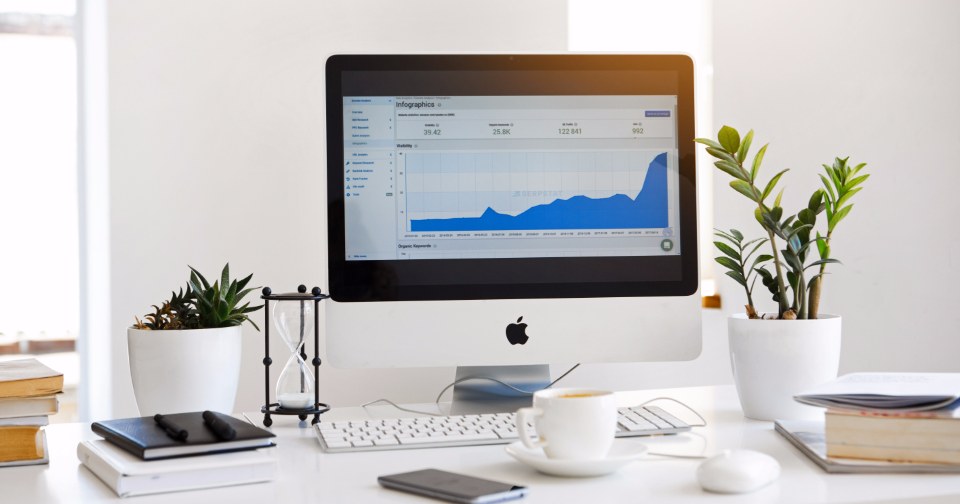
By the end of a long day of emails, video calls and scrolling, your eyes may feel dry, heavy or gritty, and you may have a dull headache behind them. That cluster of symptoms has a name: digital eye strain, sometimes called computer vision syndrome. It is extremely common among people who spend hours on screens, and it is usually temporary and manageable.
The good news is that a handful of simple habits can prevent most of it. This guide explains why screens tire the eyes, how the 20-20-20 rule works, how to set up your screen and lighting, what is true and what is not about blue light, and the signs that mean it is time to see an eye doctor.
Key takeaways
- Digital eye strain is caused mainly by focusing at close range for long periods and by blinking less, not by damage from screens
- Follow the 20-20-20 rule: every 20 minutes, look at something about 20 feet (6 meters) away for at least 20 seconds
- Blink fully and often, and use a humidifier or lubricating drops if your eyes feel dry
- Place the screen about an arm’s length away, with the top at or slightly below eye level, and reduce glare
- Experts do not recommend blue-light glasses for eye strain, and there is no proof that screens damage healthy eyes
- Sudden vision changes, flashes of light or eye pain need prompt medical attention
Why Screens Tire Your Eyes
When you look at something close, tiny muscles inside the eye work to keep it in focus, a bit like holding a weight at arm’s length. Looking at a screen for hours without a break keeps those muscles working, and they fatigue. At the same time, people blink far less when concentrating on a screen, with studies reporting that blink rates fall by about half. Blinking spreads the tear film across the surface of the eye, so fewer blinks mean more dryness, burning and blurred vision.
Other contributors include glare and reflections, a screen that is too bright or too dim for the room, text that is small, and an awkward viewing distance or angle that also strains the neck and shoulders. Uncorrected or outdated glasses prescriptions make everything harder. Most of these factors are easy to fix.
The 20-20-20 Rule, Explained
The simplest and best-known habit is the 20-20-20 rule, recommended by eye-health organizations such as the American Academy of Ophthalmology. Every 20 minutes, take a 20-second break and look at something at least 20 feet (about 6 meters) away. Looking into the distance relaxes the focusing muscles and gives you a natural moment to blink.
Twenty minutes feels frequent, and in practice people do not follow it perfectly. That is fine: the principle is regular short breaks from close work. Tie the breaks to something you already do, set a quiet repeating timer, or use a break-reminder app. Combine the eye break with a stand and stretch, and you also help your back and neck, as discussed in our guide to posture and desk habits.
Set Up Your Screen and Room
- Distance: position the screen about an arm’s length (roughly 20 to 28 inches, or 50 to 70 cm) from your eyes
- Height: place the top of the screen at or just below eye level, so you look slightly downward, which also exposes less of the eye surface to air and reduces dryness
- Glare: turn the screen away from windows or bright lights, close the blinds, or use a matte screen filter if reflections bother you
- Brightness: match the screen to the room. If it looks like a light source, it is too bright, and if it looks dull and gray, it is too dim
- Text size: enlarge fonts and use good contrast, so you are not squinting. Dark text on a light background works well for most people
- Phones: people tend to hold phones closer than computers. Hold the phone a bit farther away and increase the text size
Blink More and Keep Your Eyes Moist
Dry eye is one of the most common complaints. Make a habit of full, deliberate blinks, closing the eyelids completely, a few times during each break. A few other measures can help.
- Use a humidifier if your room air is dry, and avoid pointing fans or air vents directly at your face
- Try preservative-free lubricating eye drops if your eyes feel dry, and ask a pharmacist if you are unsure which to choose
- Hold a clean, warm compress over closed eyes for a few minutes if your eyelids feel crusty or irritated, since this can help the oil glands in the lids work properly
- Drink enough fluids through the day, as described in our hydration guide
- Remove contact lenses and give your eyes a break if they feel dry, and never sleep in lenses unless they are made for it
Blue Light: Fact and Fiction
Myth: Blue light from screens damages your eyes, and blue-light blocking glasses protect them.
Fact: Major eye-health bodies, including the American Academy of Ophthalmology, say there is no evidence that the amount of blue light from screens damages the eyes, and they do not recommend blue-light glasses for eye strain. Screen discomfort comes mainly from prolonged close focus and reduced blinking, which is why breaks and setup help more than tinted lenses.
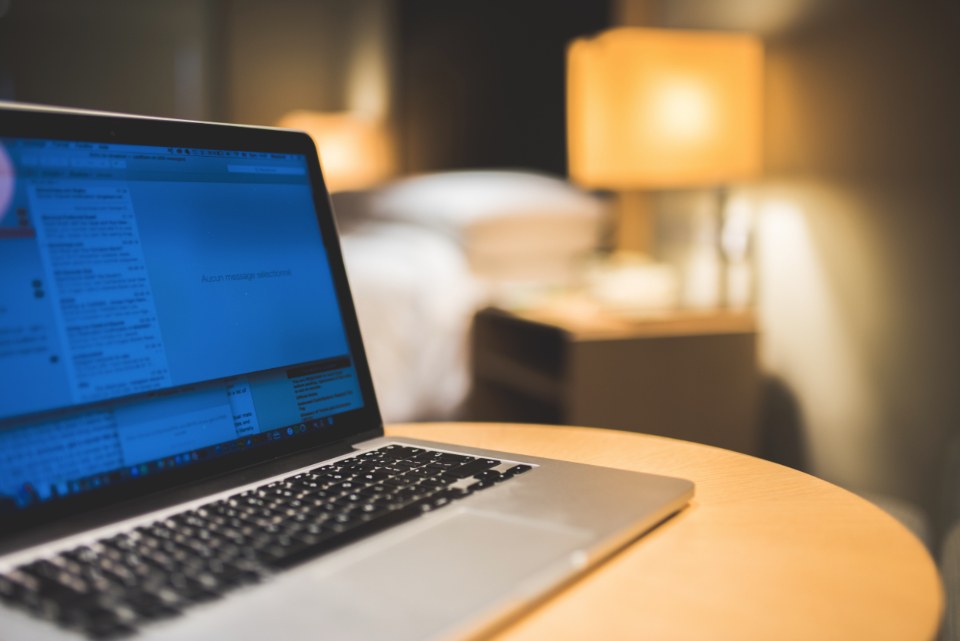
There is one fair point: bright light in the evening, including from screens, can make it harder for some people to fall asleep, because light signals the brain that it is still daytime. A simple approach is to dim your screens and lights in the last hour or two before bed, use a night mode if you like it, and keep devices out of the bedroom if you can. Our guide to sleeping better has more on building a calm evening routine.
Healthy Habits for Long-Term Eye Health
- Get regular eye exams: ask your eye care professional how often you need one, which depends on your age, prescription and health. Many adults are advised to go every one to two years
- Wear the right glasses: an outdated prescription or the wrong type for screen distance can cause strain. Tell your optometrist how much time you spend on screens
- Do not smoke: smoking raises the risk of cataracts and macular degeneration
- Wear sunglasses outdoors: choose lenses that block UV light, which protects against long-term damage
- Eat colorful foods: leafy greens, eggs and orange or yellow vegetables supply lutein and zeaxanthin, nutrients found in the retina. Food is a better choice than supplements for most people
- Spend time outdoors: daylight exposure in childhood is linked with a lower risk of developing nearsightedness, so encourage children to play outside
Screens and Children
Children’s eyes are still developing, and the rise in nearsightedness (myopia) around the world has prompted a lot of research. Time outdoors appears to be one of the most effective protective factors, with several trials showing that extra daily outdoor time at school reduces the number of children who develop myopia. Encourage regular screen breaks, good lighting and a comfortable viewing distance, and keep regular eye checks, because a child may not realize that their vision is poor.
When to see an eye doctor
- Sudden loss of vision, or a sudden curtain or shadow across part of your sight, which needs emergency care
- A sudden shower of floaters or flashes of light
- Eye pain with redness, nausea or halos around lights
- Double vision, or eyes that seem misaligned
- Dry, red or sore eyes that do not improve after a couple of weeks of better habits
- Frequent headaches that seem linked to reading or screen work, or difficulty seeing clearly at night
Frequently asked questions
Do computer screens damage your eyes permanently?
Current evidence suggests that screens do not cause permanent damage in healthy eyes. They can cause temporary discomfort, such as dryness, blurred vision and headaches, which usually improve with breaks and a better setup.
Does dark mode help with eye strain?
It depends on the person. Some people find dark mode more comfortable in dim rooms, while others find text harder to read. Choose whichever you find more comfortable, and match brightness to your surroundings.
How many hours of screen time is too much?
There is no exact limit that suits everyone. What matters is how your eyes feel and how you break up your screen use. If you work on screens all day, regular breaks, good setup and eye exams matter more than a number.
Can eye exercises improve my vision?
Exercises like palming or focusing near and far can relax tired eyes, but there is no good evidence that they correct nearsightedness or other vision problems. They are fine as a relaxing break, and they do not replace glasses where you need them.
Are lubricating drops safe to use every day?
Preservative-free drops are generally considered safe for frequent use. Drops that claim to get the red out can cause rebound redness if overused. If you need drops daily for more than a couple of weeks, see an eye care professional to find the cause.
You do not need to give up screens to look after your eyes. Pick two or three habits to start: the 20-20-20 rule, a better distance and brightness, and conscious blinking. Add a regular eye exam, and a walk outside to rest your eyes and your mind, perhaps following our walking for health tips. Your eyes will usually thank you within days.
Sources and further reading
More wellness guides



This guide is for general information only and is not medical advice. Talk to a qualified healthcare professional about your own situation before making changes to your health routine.
Is there a topic you would like us to cover? Suggest an article.